14 Timeless Design Techniques to Create a Chic Home
Timeless interior design combines symmetrical layouts, neutral color palettes, clean-lined furniture, and natural materials like wood and stone. By blending high-quality antique pieces with modern accents, hiding everyday technology, and adding architectural trim like crown molding, homeowners create elegant, enduring living spaces that transcend short-lived decorating trends.
Design Technique | Core Focus | Recommended Elements | Key Benefit |
|---|
Symmetry & Focal Points | Visual balance and eye placement | Paired chairs, mantelpiece vases, artwork | Creates structure and natural calm |
Neutral Palette & Colors | Foundation shades and classic hues | Cream, beige, black, navy blue, forest green | Allows easy accent swapping without repainting |
Classic Patterns & Clean Lines | Textile selection and silhouetting | Damask, botanicals, stripes, tailored legs | Prevents spaces from feeling visually dated |
Natural & Architectural Touches | Materiality and spatial character | Wood, stone, custom built-ins, crown molding | Adds warmth, practical storage, and craftsmanship |
Trends come and go, but timeless design never goes out of style. For a classic look that stands the test of time, these 14 proven interior design techniques help establish a polished, chic residence.
1. Play with Symmetry
While decorating styles change quickly, symmetry and balance remain enduringly attractive to the human eye. Both belong at the top of any interior styling strategy.
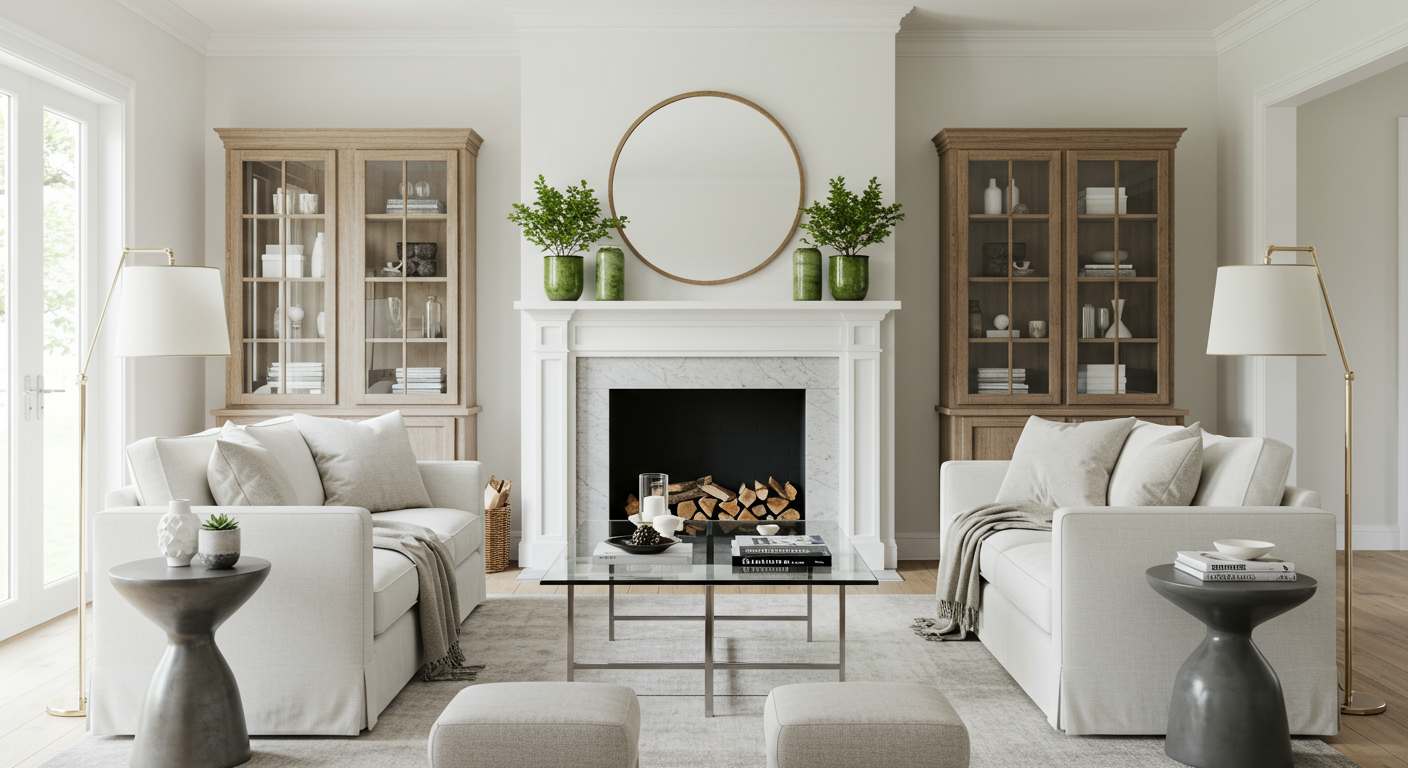
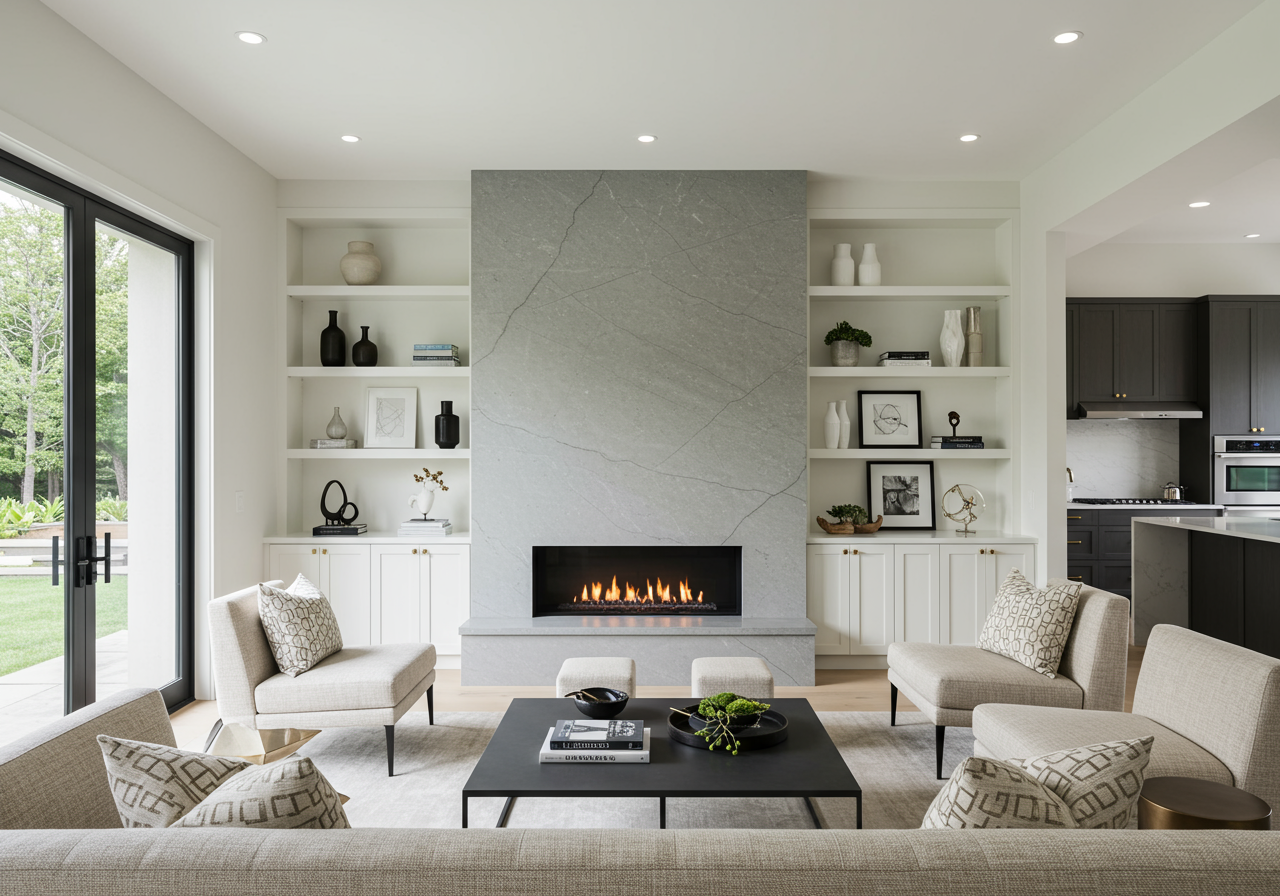
Start by doubling up on items that together fill a room with matching halves. Establish a single central focal point by pairing decorative accessories on either side. Matching vases or lamps on a fireplace mantel frame the center feature effectively. Position matching armchairs on either side of a single sofa to maintain balance across the seating area. Where direct mirror images are not possible, arrange items to maintain a natural proportion across the space.
2. Less is More
Streamlined spaces create visual relief and soft resting points for the eyes. Avoid filling every blank space or empty corner. Maintaining clean, clutter-free surfaces ensures a room feels deliberate and pulled together.
3. Find a Focal Point
A central focal point anchors a well-designed room. Built-in features like a fireplace mantel or floor-to-ceiling picture windows serve as natural architectural focal points.
Alternatively, focus attention using prominent furniture pieces, curated artwork, or architectural features. Select one primary focal point per room to avoid visual competition and maintain a sense of calm.
4. Neutral Wall and Furniture Colors
Better Homes & Gardens notes that neutral wall and furniture tones form an adaptable base for living spaces, allowing accessories to change over time without requiring full repainting. Pairing neutral-colored sofas with vibrant pillows, area rugs, and art keeps living rooms versatile and fresh over long periods.
5. Select Timeless Colors
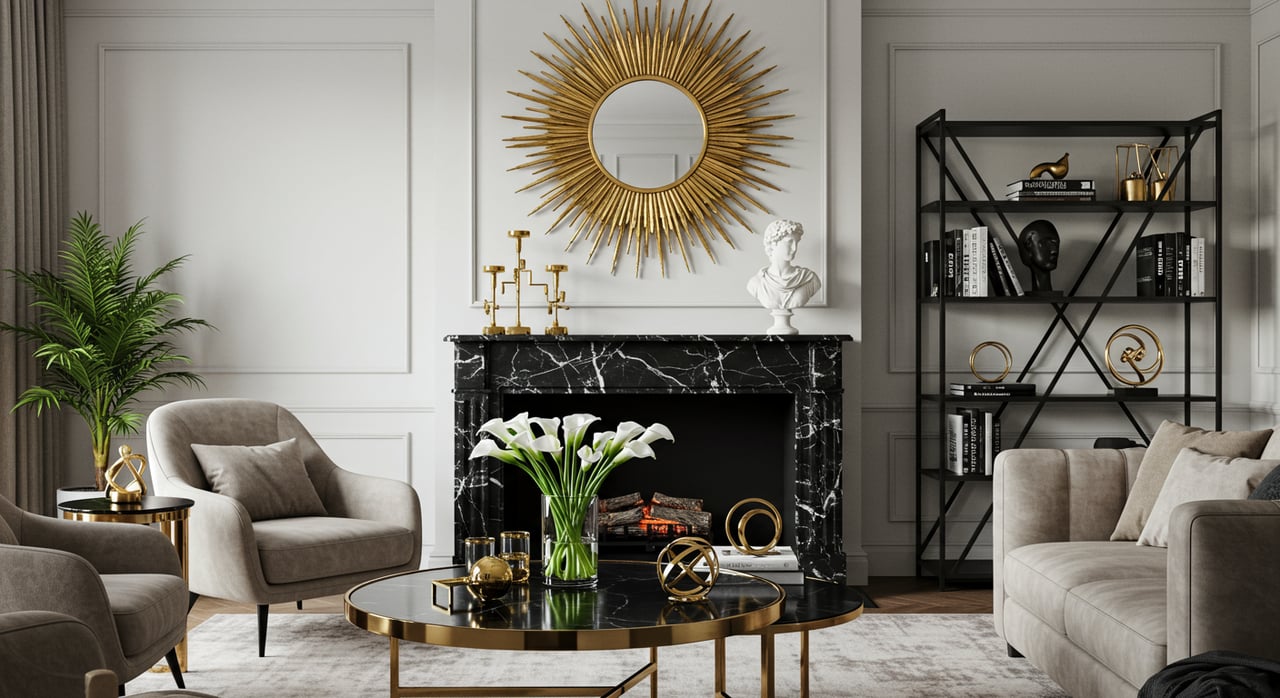
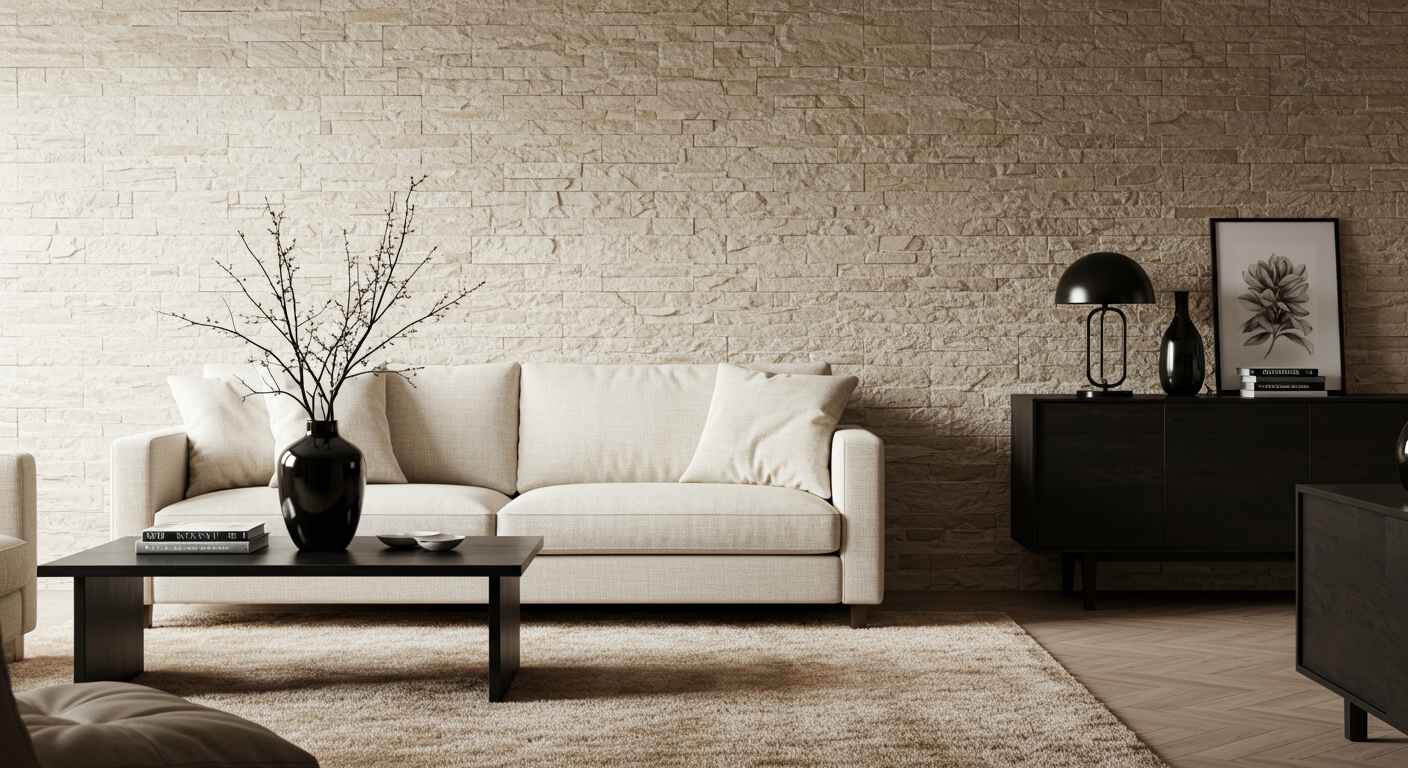
Certain classic hues maintain long-term popularity across changing decor cycles. Neutral foundational shades include cream, beige, and soft charcoal. Navy blue and deep green offer rich contrast while remaining classic. Combining distinct classic tones, such as navy blue and black, adds sophistication to seating areas and cabinetry.
6. Stick to Classic Patterns
Classic textile patterns provide sustained aesthetic appeal compared to high-contrast trend prints. Incorporating damasks, botanical prints, subtle stripes, and plaids delivers enduring style. Balance patterns by using at least three complementary designs in varying scales across the room, such as one large-scale pattern paired with two medium-scale motifs.
7. Buy Furniture with Clean Lines
Furniture with simple, clean profiles fits seamlessly into diverse architectural environments. Understated fabric upholstery, free from excessive ornamentation, creates versatile seating that ages gracefully. Subtle detailing like tufting, turned wooden legs, or nailhead trim adds refined character without appearing dated.
8. Use Natural Materials
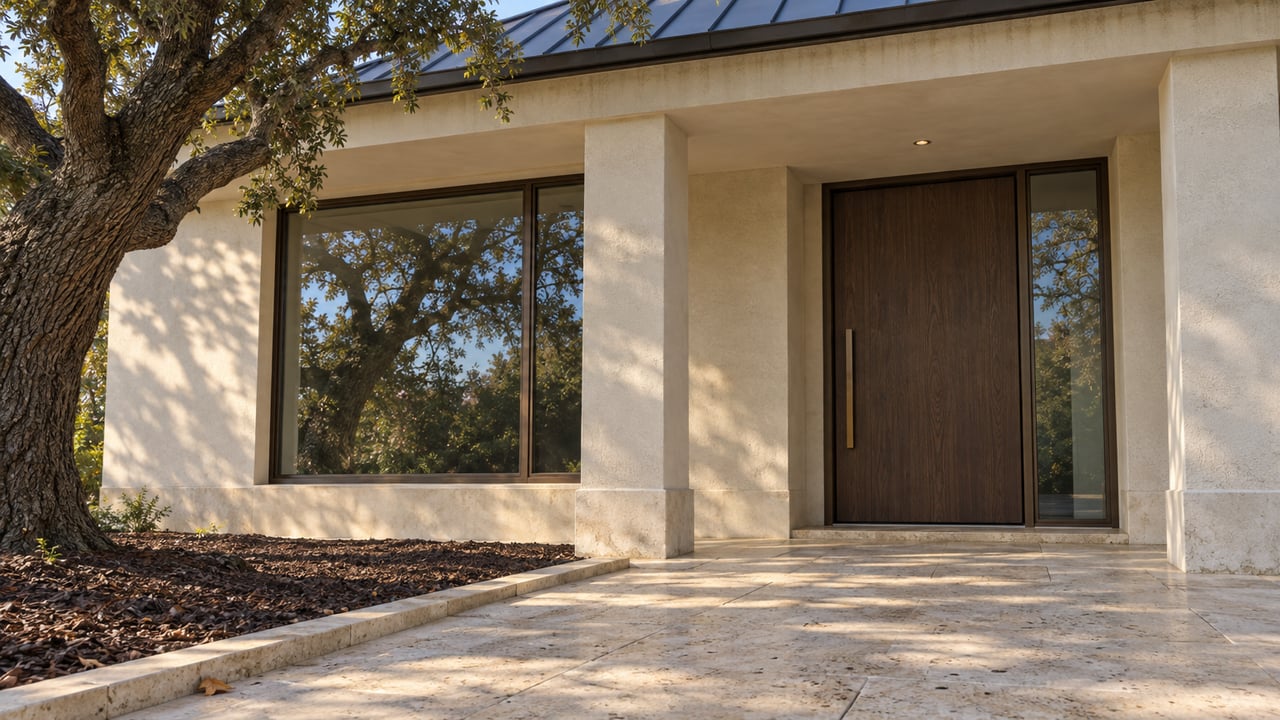
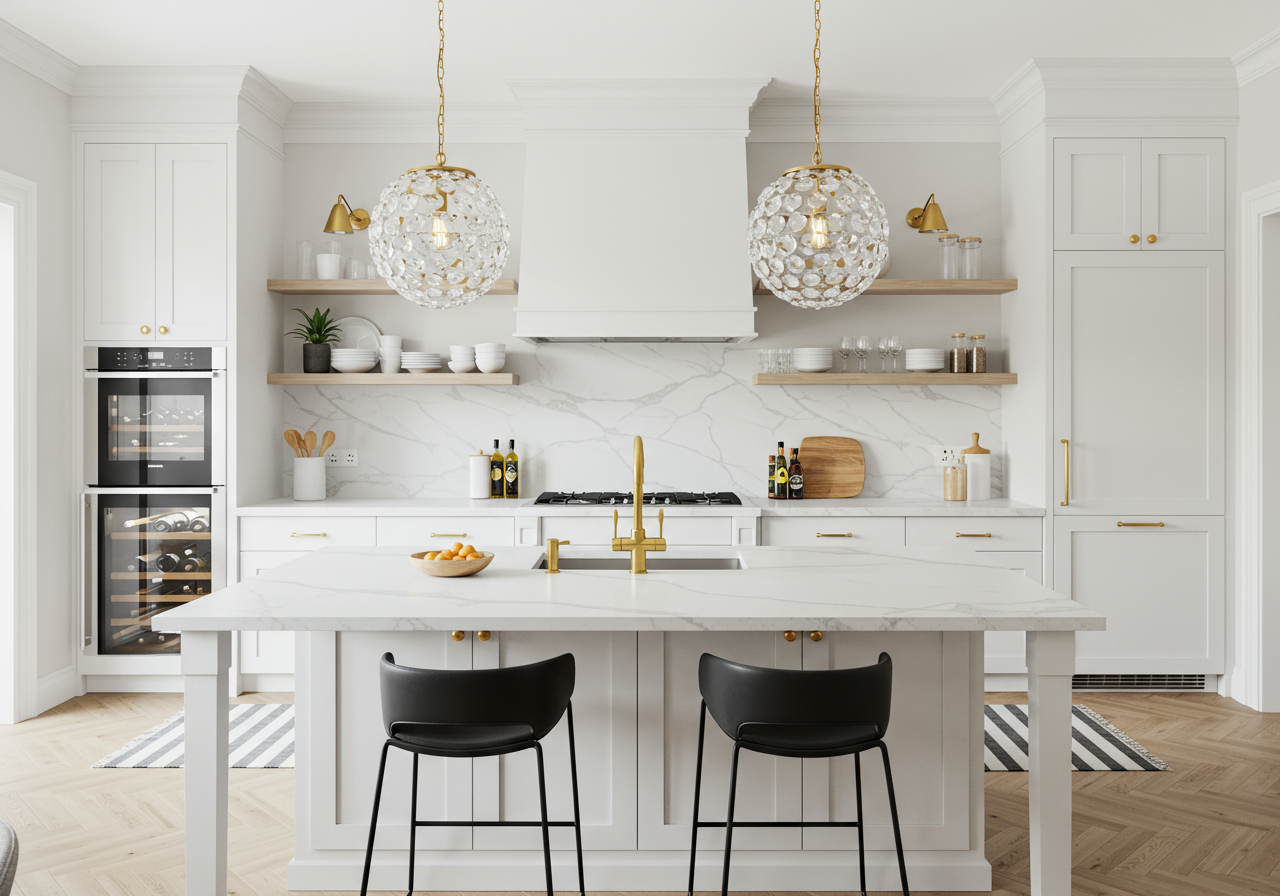
Incorporating natural elements connects interior spaces to the outdoors. Hardwood surfaces, natural stone counter finishes, woven baskets, and indoor greenery add texture and warmth. Balancing these organic elements across the room ensures the overall aesthetic remains cozy yet tailored.
9. Avoid the Trends
Because trend-focused designs have limited lifespans, using them prominently can cause spaces to feel dated quickly. Introduce trendy colors or temporary motifs in easily replaceable accents like throw blankets, decorative pillows, or small table accessories. Keeping major investments neutral preserves the room's longevity.
10. Blend the Old and New
Mixing vintage and contemporary decor elements creates a rich, lived-in feel. Combining antique wood furniture or classic art frames with clean modern lighting creates depth and individual character that spans multiple eras.
11. Hide the Technology
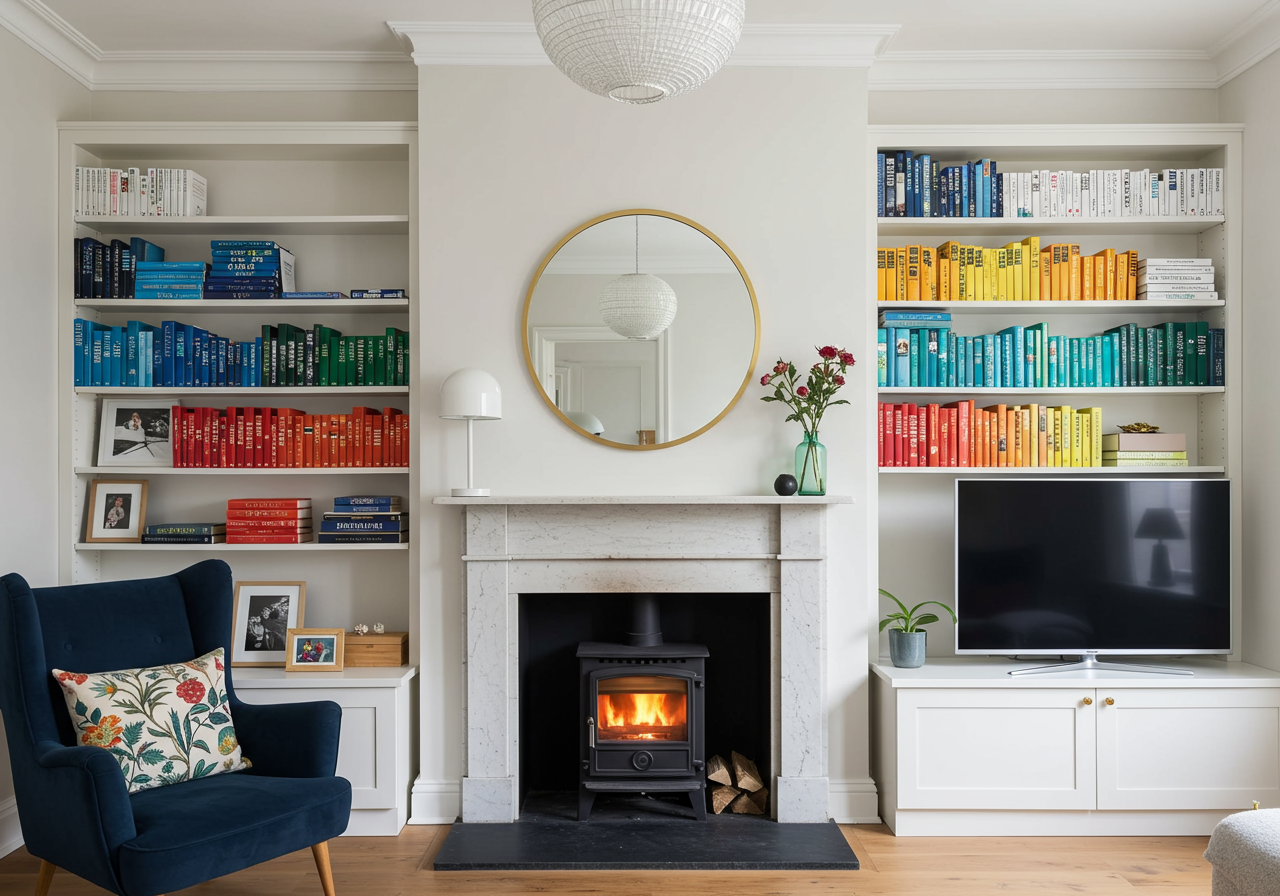
Televisions, media consoles, and speakers can disrupt a classic room layout. Hide electronic devices inside tailored cabinetry or integrate them into gallery walls using frame-style displays. Keeping wiring and peripheral components out of sight preserves the clean lines of the living space.
12. Focus on Quality
Investing in durable construction, high-grade solid woods, and quality upholstery fabrics prevents premature wear and maintains structural elegance. Well-crafted vintage pieces and high-end materials provide sustained aesthetic value over time.
13. Embrace Built-Ins
Built-in architectural elements provide practical storage while grounding living spaces. Built-in book shelving around fireplaces, library shelving in home offices, custom mudroom cabinetry, and window seats offer tailored functionality. Updating existing built-ins with fresh paint refreshes their overall appearance.
14. DIY Crown Molding
Adding millwork and trim elevates simple interior spaces by creating clean transitions between walls and ceilings. Crown molding provides a polished finish that adds architectural character and timeless structure to contemporary living areas.
About the Design Team
Curated by the Luxury Real Estate & Design Advisory Team at Luxurious Homes. Combining over 15 years of high-end residential property preparation, architectural staging, and home valuation expertise across luxury markets.
Frequently Asked Questions
What is the single most important element of timeless interior design?
Establishing balance and symmetry is the most critical element of timeless interior design. Structuring a room around a clear focal point with balanced furniture pairs creates visual order that remains appealing regardless of changing decor trends.
How do I incorporate modern technology into a timeless home without ruining the design?
Conceal media devices behind custom built-in cabinetry doors, use framed art-style televisions, or build gallery walls that visually blend screens into surrounding artwork. Keeping cord pathways and equipment out of direct sight preserves the classic room aesthetic.
Which color palettes remain timeless in high-end real estate?
Neutral bases featuring creams, off-whites, greys, and warm beiges remain the gold standard for enduring real estate interiors. Rich accent tones like navy blue, forest green, and matte black add depth without date-stamping the property.
Related Reading
Data & design principles sourced from interior architectural standards and decor guidelines published by Better Homes & Gardens and Toll Brothers Design Advisory.